Address
No 09-5/1, Station Road, Colombo 04, Sri Lanka
Work Hours
Monday to Friday: 8.30 AM - 5 PM

Step into the realm of business registration, where the selection of an appropriate legal structure stands as the bedrock foundation. Within the Abu Dhabi Global Market (ADGM), a plethora of legal entity alternatives awaits entrepreneurs, each possessing distinct characteristics. Grasping the attributes and prerequisites of these entities is vital for making informed decisions. This guide offers an extensive exploration of ADGM’s diverse legal entity landscape, meticulously defined by the ADGM Companies Regulations of 2015 and subsequent revisions.
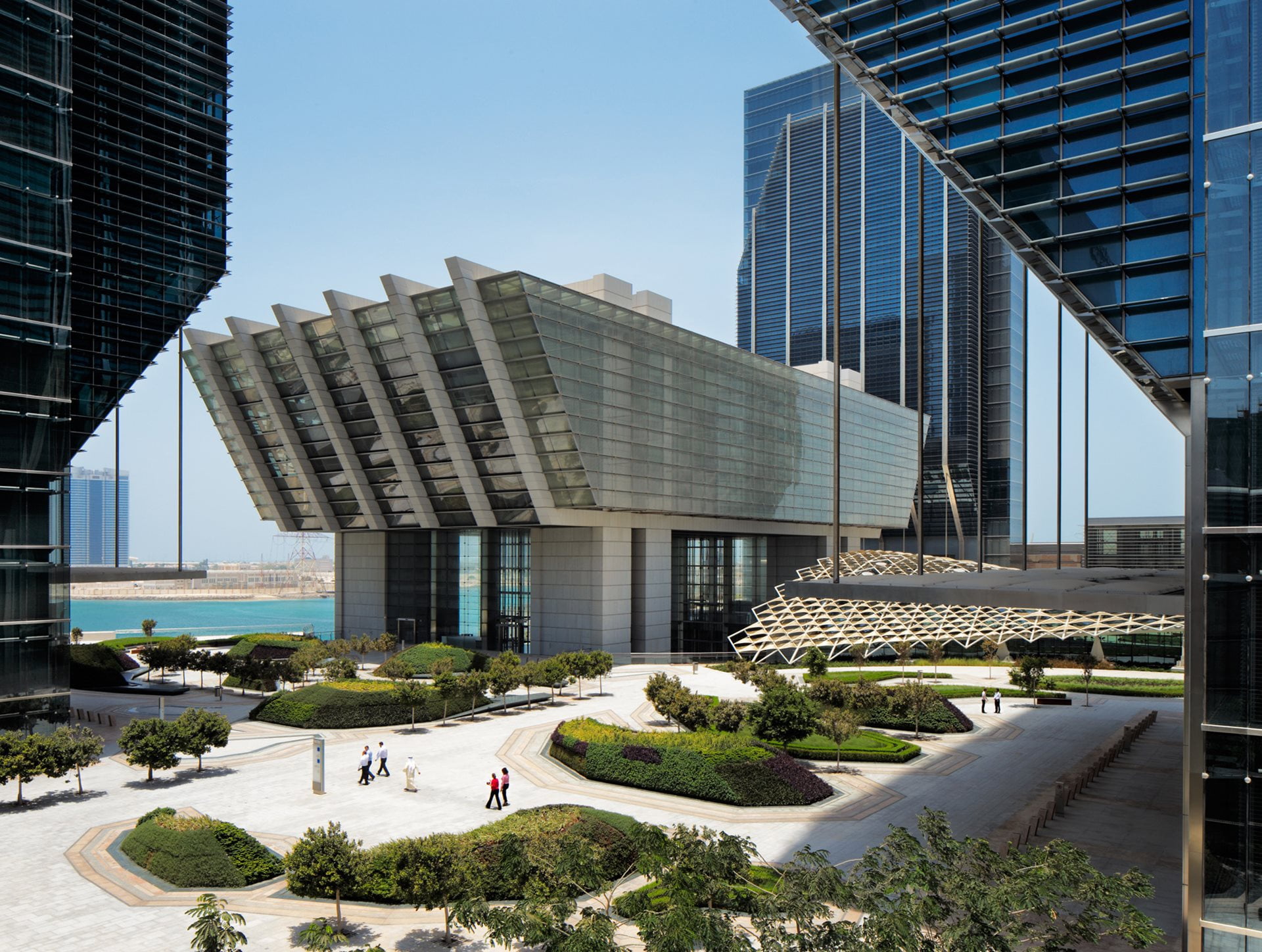
Abu Dhabi Global Market (ADGM) is an international financial center and free zone located on Al Maryah Island in Abu Dhabi, United Arab Emirates. The financial center was established in 2013 and became fully operational in October 2015.
ADGM offers a number of benefits to businesses that operate within its jurisdiction, including:
ADGM is home to a number of financial institutions, including banks, asset managers, and insurance companies. It is also a growing hub for fintech and digital asset businesses.
The main difference between ADGM and DIFC (Dubai International Financial Centre) is that ADGM is a free zone, while DIFC is not. This means that businesses that operate in ADGM are exempt from corporate income tax, personal income tax, and value-added tax. Businesses that operate in DIFC are not exempt from these taxes.
Another difference between ADGM and DIFC is that the legal system in ADGM is based on English common law, while the legal system in DIFC is based on civil law. This means that businesses that operate in ADGM will be familiar with the legal framework, while businesses that operate in DIFC may need to adapt to a different legal system.
ADGM is a well-established international financial center that offers a number of benefits to businesses that operate within its jurisdiction. If you are considering setting up a business in the UAE, ADGM is a good option to consider.
You can read more about the ADGM & DIFC here

Reach out to us if you have any inquiries and we’d be happy to assist you.
Public Company Limited by Shares (PLC) – Imagine a company that extends an open invitation, allowing anyone from the public to become a shareholder. This grandeur, known as a Public Company Limited by Shares (PLC), holds the exclusive key to be listed on stock exchanges. It can issue shares or other securities for purchase by the general public. While some PLCs dance on the stock exchange stage, not all of them take this route. Their shareholders’ financial commitment is confined to the extent of the paid or unpaid share amount, affording limited liability protection. An initial minimum share capital of US$50,000 is the entry ticket for a PLC.
Private Company Limited by Shares (LTD): In contrast to the public spectacle of PLCs, the Private Company Limited by Shares (LTD) dwells in privacy. Its shares remain off-limits to the general public. Within the confines of LTDs, the concept of limited liability echoes, protecting shareholders by capping their responsibility at the extent of their share payments. This versatile structure accommodates businesses of varying magnitudes, fostering a harmonious blend of business endeavors.
Private Company Limited by Guarantee (LTG): Enter the Private Company Limited by Guarantee (LTG), specially crafted to shield members from the clutches of liability. Unveiling a distinct feature, this entity refrains from adopting a share capital. Instead, its members, akin to guarantors, pledge to contribute a designated sum if the company dissolves. An ideal fit for associations, clubs, and professional groups, it encapsulates the essence of responsibility without exposing members to undue financial risks.
Restricted Scope Company: Meet the Restricted Scope Company, akin to the LTD sibling but with lighter regulatory demands. This entity finds favor among shrewd investors, governmental bodies, and those yearning for confidentiality. Preferred by family offices and institutions, it adorns the business landscape with reduced compliance obligations. Its formation echoes as a subsidiary of entities that publicly submit consolidated accounts or organizations shaped by Emiri decree or family bonds.
Private Company Unlimited with Shares: Venture into the world of boundless responsibility, where an Unlimited Company stands tall. Contrary to its name, it possesses a share capital but does not shy away from an unlimited liability clause. Shareholders bear personal liability for the company’s debts, extending into the infinite expanse. Unlike PLCs, it refrains from offering shares to the public.
Private Company Unlimited without Shares: Resembling its counterpart, the Private Company Unlimited without Shares embraces a liability panorama unbounded by the constraints of share capital. Within its confines, shareholders assume responsibility without limits, shouldering the weight of corporate debts. This entity shares the trait of non-public share offerings with its counterpart.
Branch of Foreign Company: Visualize a foreign enterprise weaving its narrative in ADGM’s tapestry through the Branch of Foreign Company construct. Carved for companies beyond ADGM’s borders, it facilitates their presence within the free zone. A versatile platform, be it for establishing modest operations or as a representative hub for business referrals.
Limited Liability Partnership (LLP): For professionals seeking collaborative shelter, the Limited Liability Partnership (LLP) is a haven. It safeguards personal assets of each partner from the liabilities incurred by others within the partnership. Architects, auditors, and legal luminaries often find solace in its protective cocoon.
General Partnership: Immerse yourself in the General Partnership, an arrangement wherein partners unite their strengths and liabilities. Here, unlimited liability reigns, with each partner personally accountable for the partnership’s obligations. This symbiotic relationship mandates readiness to employ personal assets to settle debts.
Limited Partnership (LP): Embrace the Limited Partnership, where a partnership’s symphony orchestrates with at least one general partner and a limited partner. As the name suggests, the general partner bears unbounded liability, while the limited partner enjoys circumscribed responsibility.
Protected Cell Company (PCC): Picture a company that dons a dual identity – the Protected Cell Company. This innovative structure houses a core entity and numerous cells, each with its assets and debts. PCCs commonly thrive in the investment and insurance realms, nurturing distinct compartments for varied assets or policies, while upholding a united legal identity.
Incorporated Cell Company (ICC): Mirroring the PCC’s essence, the Incorporated Cell Company unveils a symphony of legal autonomy. With individual cells enjoying distinct legal entity status, ICCs craft an intricate mosaic. Tailored for versatility, ICCs stand strong in public or private shares variations.
Open-Ended Investment Company: Stepping into investment avenues, the Open-Ended Investment Company orchestrates the issuance and redemption of shares in response to investors’ whims. Unlike its closed-ended counterpart, it lacks a predetermined share count. Rather, it issues fresh shares as investors board the investment journey and redeems shares upon exit. This construct facilitates collective investments, allowing participants to partake in diverse portfolios.
Closed-Ended Investment Company: Akin to its open-ended sibling, the Closed-Ended Investment Company emerges as a vessel of predefined shares, tradable on exchanges or private dealings. Once shares are issued, no more are created or redeemed. Valuations sway with supply and demand in the market. This entity is a preferred harbor for long-term investments within specific sectors.
Get in touch with us to learn how to setup your business and let us take care of your administrative responsibilities


